Why Neglected Systems Always Need More Expensive Gutter Repair
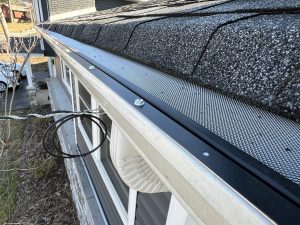
There is a pattern that shows up on houses of every age and price point. The owner notices a small gutter issue, maybe a drip over the front walk, a corner that sags a bit after rain, or a downspout that clogs every fall. It seems minor, easy to put off, and rarely urgent on a dry day. Then a season or two passes. The small issue turns into stained fascia, rotted trim, settlement near the foundation, peeling paint, and sections of gutter that can no longer be patched because the surrounding materials have already failed.
That is why neglected systems almost always need more expensive gutter repair. The gutter itself is only one part of a water management system, and when one part is ignored, the damage spreads outward. By the time someone finally calls for help, they are no longer paying to fix a leak. They are paying to undo months or years of hidden consequences.
Anyone who has spent time around exterior repairs learns the same lesson: water is patient, and it is ruthless. It does not need a dramatic opening. A slight backward pitch, a seam that opens by a quarter inch, or a downspout elbow https://maps.app.goo.gl/VYbnNaG41GNeopNq7 packed with debris can be enough to redirect gallons of water to places the house was never meant to handle.
Gutters fail gradually, but the bill rises all at once
Most expensive repairs begin as cheap ones. A loose hanger can often be reset quickly. A minor joint leak can sometimes be resealed before water reaches the fascia board. A clogged outlet can be cleared before standing water bends the run and stresses every fastener along it.
Neglect changes the job completely. The reason is simple. Gutters hold and move a surprising amount of weight when they are wet. Add leaves, shingle grit, seed pods, and mud, and that load climbs fast. Once the system sags, water stops flowing toward the outlet. It sits in the trough, and standing water creates a chain reaction. Fasteners loosen. Seams open. Metal corrodes faster. Wood behind the gutter stays damp longer. Paint loses adhesion. What could have been one targeted repair becomes a larger restoration involving carpentry, reattachment, and sometimes partial replacement.
Homeowners often ask why the estimate seems high when the visible problem is just one leaking section. The answer is that the visible leak is rarely the full problem. The real cost lives in the materials that have been exposed behind and beneath that leak. If the fascia is soft, installers cannot simply screw a new bracket into rotten wood and expect it to hold. If the soffit has taken on moisture, or if the rafter tails show decay, the support structure must be addressed before any gutter repair can last.
This is where neglected systems become expensive. The gutter stops being the only item on the invoice.
Water never damages only the gutter
A lot of people picture gutters as accessories, but they are closer to drainage infrastructure than trim. Their job is to collect roof runoff and move it away from vulnerable parts of the building. When they fail, the impact shows up wherever that water lands.
At the roof edge, overshooting water can work behind the gutter apron and wet the fascia board. On brick homes, repeated runoff can stain masonry and deteriorate mortar joints over time. On siding, splashback leaves dirt marks, encourages mildew, and can drive moisture into seams. Near the ground, concentrated runoff erodes mulch beds, cuts channels through soil, and saturates the area around the foundation. In colder climates, it creates icy patches on walks and can contribute to ice dam behavior at the eaves.
None of this happens instantly. That is part of the problem. Slow damage feels easy to discount because there is rarely one dramatic moment that forces action. Instead, the house accumulates little warnings. A basement corner smells damp after storms. The flower bed below one downspout always looks washed out. A bead of caulk keeps getting reapplied around trim that should not need it. The owner responds to each symptom separately, not realizing they are all tied to one neglected drainage path.
By the time a contractor is called for gutter repair, the visit often becomes an investigation into a wider moisture problem.
The hidden multiplier is rot
Rot changes repair economics more than almost anything else. Metal parts can be resealed, re-sloped, or replaced with relative efficiency. Rot means the surfaces those parts depend on are no longer reliable. Once wood softens, fasteners lose holding power. Once paint blisters and peels, moisture gets easier access. Once water enters end grain or exposed joints, it tends to keep coming back.
There is also a practical issue that homeowners do not always see from the ground. Exterior wood rarely fails in a neat, isolated square. Damage spreads farther than the stain line suggests. A fascia board might look bad for two feet under a leaking seam, but when the board is opened up, the softness may continue several feet more because water traveled along the grain or sat behind the metal. If soffit panels were trapping moisture, the repair can extend again.
This is why deferred gutter repair often turns into a carpentry job with gutter work attached. The gutter crew cannot responsibly reinstall onto compromised wood, and any contractor who does is setting the owner up for another failure. The repair becomes more expensive not because anyone is inflating the scope, but because neglect has erased the option of a simple fix.
Small drainage mistakes create large structural consequences
One of the most misunderstood parts of exterior maintenance is how sensitive drainage systems are to small errors. Gutters do not need dramatic failure to create meaningful damage. A slight pitch issue can keep a section full after every storm. One missing extension at the bottom of a downspout can dump water next to the foundation week after week. A crushed underground drain can make an otherwise sound system overflow during moderate rain.
In a healthy system, each component supports the others. The roof sheds water into the gutter. The gutter carries it to outlets. The downspouts move it down. Extensions or drains move it away. Break any one link, and the burden shifts backward through the system.
That backward pressure is expensive. A clogged downspout, for example, does not just affect the bottom of the run. It creates backup in the horizontal gutter, which may then overflow at seams, corners, and end caps. In areas with heavy tree cover, that standing water also turns debris into a dense, wet mass that is harder to remove and more likely to foster corrosion. What started as routine cleaning can become replacement of a section that has twisted or split under load.
Neglect also makes diagnosis harder. When a system has been failing for years, there may be multiple overlapping problems. A contractor might find poor slope, undersized downspouts, improper hanger spacing, and deteriorated fascia in the same area. The work becomes less about one repair and more about rebuilding function.
Cheap repairs disappear when access gets harder
Timing matters in another way. The longer a gutter issue is ignored, the harder the work often becomes.
When systems are maintained, crews can usually address defects under controlled conditions. They can clean the run, test flow, resecure fasteners, seal seams, and make small corrections before the problem spreads. When systems are neglected, the job often starts with access challenges. Gutters may be packed with years of compacted debris. Landscaping below may be overgrown or eroded. Splash zones may be muddy or unsafe. Bees, wasps, or mold can complicate the visit. If ladders cannot be safely set because soil has washed out near the foundation, setup takes longer and may require different equipment.
That extra labor is not glamorous, but it is real. Homeowners sometimes compare the current estimate to what a small repair “should” cost based on a past experience at another property. What they miss is that repair cost depends as much on condition and access as on linear footage. A clean, stable system in good surroundings is cheaper to correct than a failing system surrounded by secondary damage.
Older homes add another layer. Their gutters may be tied into trim profiles or roof edges that no longer match modern stock parts exactly. Custom bending, creative flashing solutions, or selective wood replacement may be required to preserve appearance and function. Delaying maintenance on these homes is especially expensive because the replacement path is rarely simple.
Neglect invites the wrong kind of patchwork
Another reason deferred gutter repair becomes costly is that neglected systems tend to attract temporary fixes. Someone adds more caulk to a leaking seam. Another person drives longer screws through a sagging section without checking whether the wood behind it is sound. A splash block gets placed under an overflowing downspout while the blockage above remains untouched. These patches create the feeling of action while allowing the underlying failure to continue.
Over time, patchwork can make the final repair harder. Excess sealant hides seams and traps moisture. Improper fasteners distort metal or create new leak points. Misaligned sections become difficult to re-pitch cleanly. In some cases, the repair crew spends part of the job undoing failed repairs before they can address the original issue.
I have seen corners so packed with old sealant that the joint looked solid from the ground, yet water had been running behind it for seasons. From below, the owner thought the problem had been “fixed twice already.” From up close, it was clear that only the symptom had been covered, not corrected. The fascia behind that corner had softened enough that the entire edge needed carpentry before a new corner piece could be installed. That is the cost of delay plus patchwork. Each attempted shortcut narrows the range of affordable options.
Seasonal cycles punish neglected gutters
Gutter systems rarely get a break. Even in moderate climates, they cycle through heavy rain, heat, debris load, drying, expansion, contraction, and wind. In colder regions, freeze-thaw stress adds another layer. Water left sitting in a low section expands when frozen. Ice adds weight. Joints that might survive one storm can fail after a winter of repeated stress.
This is why “it only leaks during big rains” is not reassuring. Intermittent problems still do cumulative damage, and seasonal stress tends to widen them. A seam that leaks only occasionally in spring can become a separated joint by fall if the system is carrying debris and standing water all summer. A slightly detached downspout strap can become a torn-out section after one icy event. The home does not care whether the failure was daily or occasional. If water reaches the wrong surfaces often enough, materials deteriorate.
The cost jump after winter surprises many people. A repair that might have been limited to resecuring and sealing can turn into replacing bent sections or reworking fascia after ice loads exploited every weak point. The neglected system was already vulnerable. The season simply made that vulnerability visible.
Some houses are punished faster than others
Not every property experiences gutter problems at the same speed, which can create false confidence. A one-story ranch with wide eaves and sandy soil may hide drainage issues longer than a tall two-story home with narrow overhangs and dense clay around the foundation. That difference matters.
Steep roofs shed water with force. Valleys concentrate runoff into specific sections of gutter, often overwhelming weak seams or clogged outlets. Large roof planes fill gutters quickly. Homes under mature trees accumulate debris far faster than open lots. Coastal or humid environments may accelerate corrosion or biological growth. North-facing sections can stay damp longer. Sun exposure changes expansion patterns in metal runs.
So when one homeowner says they ignored a drip for years with no visible trouble, that experience does not transfer neatly to another house. Drainage risk is specific to the roof design, climate, lot grading, and surrounding vegetation. Professional judgment matters because the same symptom can have different stakes depending on where it appears. A minor leak over a garage gable is not the same as a chronic overflow at a front corner where runoff heads straight toward the foundation and entry walk.
This is also why good gutter repair is not just about swapping parts. It requires understanding where the water is supposed to go, how fast it gets there, and what happens if it misses that path.
What a timely repair usually costs less than
A homeowner deciding whether to act on a small gutter problem often benefits from a simple comparison. Early intervention is usually cheaper than the materials most likely to be damaged next. A modest repair can cost less than repainting trim on one elevation. It can cost less than replacing a section of fascia and soffit. It can cost less than regrading a washed-out bed and restoring foundation plantings. It is almost always cheaper than dealing with moisture intrusion at the basement wall or repairing a slippery, heaved walkway made worse by chronic runoff.
That does not mean every issue demands emergency service. Judgment matters. Some defects can wait for a scheduled visit, especially in dry weather. But waiting should be informed, not casual. If water is backing up, spilling behind the gutter, or dumping next to the house, the clock is already running.
One useful rule is to think in terms of the next storm, not the current sunny afternoon. If the system will mismanage water during the next meaningful rainfall, the repair is active, whether you can see it today or not.
The practical signs that neglect is turning costly
Most homeowners do not need to inspect like a contractor to recognize when a gutter issue is crossing from nuisance into expensive territory. The warning signs are usually visible if you know what to watch for.
- Water marks on fascia, soffit, siding, or masonry below the gutter line.
- Gutters that hold standing water more than a day after rain.
- Spikes, screws, or hangers pulling loose, especially in repeated spots.
- Soil erosion, mulch displacement, or chronic wetness near the foundation.
- Peeling paint, soft wood, or moldy odor near roof edges or basement corners.
None of these signs guarantees major damage, but each suggests the system has been underperforming long enough to affect adjacent materials. If two or three appear together, the repair is rarely just about one seam or one downspout.
Preventive maintenance is not glamorous, but it preserves options
The least expensive gutter repair is often the one that remains a repair instead of becoming a replacement and restoration project. Maintenance preserves options. It keeps the owner in the realm of adjustments, resealing, cleaning, and minor part replacement. Neglect removes those options one by one until only larger interventions remain.
A sensible approach does not require obsession. It requires attention at the right times of year and after obvious stress events. Homes under trees may need more frequent cleaning. Houses with a history of ice buildup deserve a close look before winter. Any property that has seen overflow during a storm should be inspected while the memory is fresh, not months later when the evidence has dried up.
For most homes, the best maintenance habits are straightforward.
- Check flow and visible condition after major storms and at least seasonally.
- Keep gutters and downspouts clear enough that water does not pond.
- Address leaks, loose fasteners, and slope issues while the surrounding wood is still sound.
- Make sure downspouts discharge well away from the foundation.
- Treat repeated overflows as a design or drainage problem, not just a cleaning issue.
There is a larger principle underneath all of this. Houses age well when water is managed early and decisively. They get expensive when water is allowed to explore weak points at its own pace.
Why experienced contractors sound cautious about “simple” fixes
When a seasoned professional hesitates to promise a quick cheap fix from a description alone, that caution is usually earned. Gutter problems are deceptively connected. The stain on the siding may be caused by a clogged outlet thirty feet away. The leak at the corner may actually be water running backward because the middle of the run has settled. The section that keeps pulling away may be telling you the fascia has already failed.
That caution is not salesmanship when it is honest. It reflects the fact that neglected systems do not stay isolated. Water has likely touched multiple assemblies by the time the owner notices. A responsible contractor needs to verify what is salvageable, what is compromised, and what can be repaired in a way that lasts through the next season.
The frustrating truth for homeowners is that neglect makes certainty more expensive too. The longer the issue sits, the more exploratory work may be needed to find the full extent of damage. Sometimes the exact scope cannot be known until debris is removed or metal is detached from the edge. Early action narrows those unknowns. Late action multiplies them.
That is the real reason neglected systems almost always need more expensive gutter repair. Delay does not hold the problem in place. It gives water time to recruit other materials into the failure. Once that happens, you are no longer fixing a gutter. You are fixing everything the gutter stopped protecting.
Just Gutters LLC
262 Main St
Hackettstown, NJ 07840, United States
Phone: +1 201-331-9454
FAQ About Gutter Repair
Is it cheaper to repair or replace gutters?
Repair can cost less when damage is limited and the remaining system is sound. Replacement may offer better value when leaks, corrosion, or repeated failures affect several sections. An inspection and written estimate can help compare the options.
Can damaged gutters be repaired?
Many localized problems, including leaking joints, loose brackets, sagging sections, and damaged downspout connections, can be repaired. The best approach depends on the material, extent of damage, and condition of the mounting surface.
Can I repair gutters myself?
Simple ground-level checks may help identify a problem, but roof-edge work carries fall risks and may require specialized tools. Professional assessment is advisable for high gutters, loose sections, hidden wood damage, or uncertain drainage problems.