How Gutter Repair in Hackettstown Enhances Property Protection

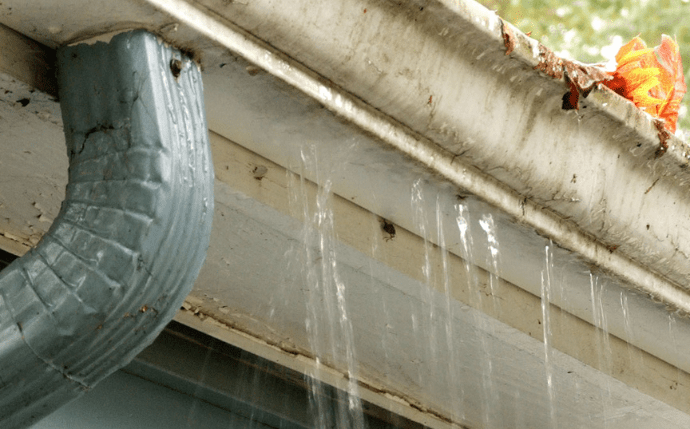

A gutter system does quiet, unglamorous work until the day it stops doing it. Then the problems show up fast. Water spills over roof edges, soaks fascia boards, splashes against siding, loosens mulch, trenches through flower beds, and settles near the foundation where no homeowner wants it. In a place like Hackettstown, where homes see steady seasonal change, freeze-thaw cycles, leaf buildup, thunderstorms, and winter snow loads, gutter repair is not a cosmetic service. It is part of the property’s first line of defense.
That is why Gutter Repair Hackettstown is more than a maintenance keyword or a small item on a to-do list. It is a practical investment in preserving the structural envelope of a home. Well-functioning gutters move water away from vulnerable materials. Damaged gutters do the opposite. They concentrate water where it can do the most harm.
Homeowners often notice gutter trouble only after a stain appears on the ceiling, a basement starts smelling damp, or the soil near the front walk begins to wash out. By that point, the repair bill is often larger than it had to be. A loose hanger, a separated seam, or a downspout clog is manageable. Rot in sheathing, cracked masonry, or recurring ice damage is a different conversation.
The real job gutters perform
People tend to think of gutters as channels attached to the roofline. Technically that is true, but it undersells their role. Gutters manage runoff from the entire roof plane. A modest rain on a typical residential roof can create a surprising volume of water in a short time. When that water is controlled, it exits through downspouts and drains away from the house. When it is uncontrolled, it behaves like a constant pressure test on the home’s weak points.
The weak points are usually predictable. Roof edges, fascia, soffits, siding joints, window trim, door thresholds, and foundations all suffer when runoff spills or backs up. Even a well-built house can only tolerate so much repeated wetting before materials start to fail. Wood swells. Paint blisters. Nails loosen. Sealants degrade. Soil shifts.
This is where timely repair matters. A sagging section of gutter changes the pitch and prevents proper drainage. Water stands in the trough, adding weight and accelerating fastener failure. Once the line sags further, overflow starts. A single seam leak can drip steadily onto a trim corner for months. That kind of targeted exposure often causes more damage than a brief heavy storm.
In Hackettstown, these patterns are familiar. Mature trees contribute debris. Autumn clogs become winter ice points. Spring rains reveal all the deferred maintenance from the colder months. Summer downpours test whether the system can handle volume. Each season exposes a different weakness.
Why local weather makes repairs more important
A gutter system in a mild climate has an easier life. In northwestern New Jersey, conditions are less forgiving. Temperature swings matter. A gutter that holds water in November may be carrying ice in January. Water expands as it freezes, which stresses seams, end caps, brackets, and joints. That stress is rarely visible from the driveway until a piece finally pulls apart.
Snow is another factor. Even when the gutters are installed properly, snow and ice increase load. If the system already has loose spikes, weak hangers, or sections bent out of alignment, winter magnifies those defects. Then spring arrives, and homeowners see the aftermath in the form of detached runs, separated downspouts, and persistent drips at corners.
Wind-driven rain also changes the equation. On exposed sides of a house, water does not always fall straight into the channel. If the gutter apron is damaged or the gutter edge has shifted away from the roofline, runoff can slip behind the gutter and wet the fascia board. That is a common hidden problem. From the ground, the gutter may look intact. From a ladder, the wood behind it may already be soft.
Local property protection depends on recognizing that gutters are part of a system, not a standalone strip of metal. The roof, flashing, fascia, soffit, gutter, downspout, splash block, and grading all work together. When one part fails, the others absorb the consequences.
Small failures that become expensive ones
The most costly water problems often begin with defects homeowners consider minor. A pinhole leak, a rusted outlet, or a disconnected elbow may not seem urgent because the house still looks fine. But water damage is cumulative. It rewards delay with larger scope.
A familiar example is the front entry area. Many homes have a concentrated runoff point near a porch corner or walkway. If the nearby downspout is clogged or undersized, heavy rain sends water over the edge repeatedly. The concrete or paver surface below gets saturated, the adjacent trim stays damp, and the splashback reaches the lower siding courses. Over a season or two, what started as a gutter issue becomes a trim issue, a paint issue, and sometimes a door threshold issue.
Another common case involves basements. Homeowners often assume any basement moisture problem must originate below grade. That is not always true. In many houses, roof runoff is the source. If a gutter empties too close to the foundation or leaks at a seam near a corner, the water saturates the soil beside the footings. The basement wall then becomes the place where the symptom appears, even though the cause began much higher up.
Repairing gutters early helps break that chain before moisture spreads across multiple assemblies.
What proper gutter repair usually addresses
Repair work is not limited to clearing debris. A thorough repair approach looks at how the system carries, contains, and discharges water. That includes alignment, securement, sealing, pitch, outlet performance, and the condition of surrounding materials.
Common repair needs include:
- re-securing loose gutters with appropriate hangers or fasteners
- resealing leaking seams, corners, and end caps
- correcting pitch so water flows toward downspouts instead of pooling
- replacing crushed, rusted, or split sections and damaged downspout connections
- addressing overflow causes such as clogs, undersized outlets, or poor discharge locations
That work sounds straightforward, and sometimes it is. But judgment matters. If a gutter is repeatedly pulling away because the fascia behind it is rotted, fastening it tighter only masks the real problem. If a downspout backs up because underground drainage is blocked, cleaning the top section alone will not solve the overflow. Good repair means identifying root cause, not just visible symptoms.
Foundation protection starts at the roofline
Most homeowners understand the value of keeping water out of the basement. Fewer realize how directly that goal connects to gutter condition. A roof sheds a large amount of water relative to the narrow strip of ground surrounding the house. Without proper collection and discharge, that water drops right where soil movement causes trouble.
Soil that stays too wet expands and softens. Soil that dries after saturation can shrink and settle. Both cycles can affect patios, walkways, retaining edges, and foundation performance over time. Not every overflow creates a structural issue, of course, but repeated concentrated runoff near the same wall is asking for movement and moisture intrusion.
This matters in older homes especially. Hackettstown has a mix of housing stock, and many properties include additions, older masonry, settled walks, or grading that has changed over decades. Those homes may already have areas where drainage is less forgiving. A neglected gutter can aggravate conditions that were manageable before.
When homeowners schedule Gutter Repair Hackettstown services before visible basement symptoms worsen, they often avoid chasing moisture problems in the wrong place. The fix may be at the eaves, not the footing.
Siding, trim, and paint last longer when water is controlled
Exterior finishes are designed to handle weather, not constant water concentration. That distinction matters. Siding can shed rain. Trim can be painted and sealed. But if one section is hit over and over by overflow from a failed gutter joint, the finish breaks down faster than expected.
Wood trim is especially vulnerable. Once paint starts to crack, water gets into end grain and joints. Rot often starts at corners, butt joints, and fastener penetrations. By the time peeling paint is obvious from the ground, the underlying wood may already be soft. Repairing trim and repainting several elevations costs far more than correcting a gutter leak above.
Even vinyl and fiber cement siding are not immune. Water running behind panels can affect sheathing and housewrap. On some homes, staining appears long before hidden moisture damage is discovered. On others, there are no visible clues until insects, mold odor, or interior wall staining appears.
This is one reason professional inspection is valuable. A trained eye looks not only at the gutter itself but at what the gutter has been doing to adjacent materials. Streaks under seams, soft fascia edges, splash marks, algae patterns, and soil erosion all tell a story.
Roof edges suffer when gutters fail
Roofing problems do not always begin in the shingles. Sometimes they begin at the drainage line. If gutters back up, water can sit at the roof edge longer than it should. In freezing weather, that can contribute to ice formation near the eaves. In heavy rain, overflow can wet lower roof components repeatedly.
Another overlooked issue is the relationship between drip edge and gutter placement. If the gutter has shifted outward or downward, water may overshoot the trough or curl behind it. That hidden runoff attacks the roof edge assembly from below. Homeowners then pay for fascia, soffit, and decking repair along with gutter work.
I have seen houses where owners replaced a section of roofing twice before anyone addressed the actual drainage flaw at the perimeter. The roof was not the root issue. The edge detail and failing gutter alignment were.
Pests and landscape damage are part of the equation too
Water management affects more than structure. It influences pest pressure and curb appeal. Standing water in clogged gutters attracts insects. Damp wood near the eaves becomes more inviting to carpenter ants and other pests that prefer decayed material. Overflow near planting beds can wash away mulch, expose roots, and beat down foundation shrubs.
Landscaping often reveals gutter issues before the house does. If one bed stays eroded, one downspout area turns muddy after every storm, or one patch of lawn remains saturated while the rest drains normally, the gutter system may be directing too much water there or failing to carry it where it belongs.
For homeowners preparing to sell, this matters. Buyers notice obvious overflow patterns. They may not say “the gutter pitch is wrong,” but they see stained siding, washed-out beds, moss near the foundation, or a crooked run hanging off the fascia. Those details raise broader questions about maintenance standards.
Repair versus replacement, where judgment matters
Not every damaged system needs full replacement. In many cases, localized repair is the smarter option. If the metal is sound, the dimensions are adequate, and most of the runs remain secure, repairs can restore performance without the expense of starting over. Re-securing, resealing, adjusting pitch, replacing outlets, and improving discharge can add years of useful life.
That said, repairs have limits. If the gutters are heavily rusted, riddled with seam failures, improperly sized for the roof area, or attached to deteriorated wood across multiple elevations, replacement may be more economical. The same is true if earlier patchwork has created a chain of recurring issues.
A practical decision usually comes down to three questions. Is the base material still worth saving? Are the failures isolated or systemic? Will the repair address the cause or merely postpone it?
Homeowners appreciate honest answers here. Spending a modest amount on well-targeted repair is sensible. Spending the same amount every season on temporary fixes is not.
Signs homeowners in Hackettstown should not ignore
Some gutter warnings are obvious. Others are subtle enough to get dismissed for months. The homeowners who avoid major damage are usually the ones who act on the subtle signs.
Watch for these conditions:
- water spilling over the gutter edge during ordinary rain
- visible sagging, separation at joints, or gutters pulling from the fascia
- peeling paint, stains, or softness on trim beneath the eaves
- puddling near the foundation or washout beneath downspouts
- icicles and ice buildup forming repeatedly along the same roof edges in winter
None of these signs guarantees severe damage, but each one suggests the system is no longer managing water correctly. Waiting for https://juliusyybn564.almoheet-travel.com/gutter-repair-hackettstown-for-rusted-cracked-and-pulling-gutters a ceiling stain or basement seepage is usually waiting too long.
The value of seasonal timing
Repair timing affects both cost and outcome. Late summer and early fall are excellent windows for inspection and correction because systems can be cleaned, sealed, and secured before leaf drop and cold weather. Spring is another key period because it reveals winter stress, loose sections, and blockages left by storms.
Winter emergency calls tend to be more expensive and less forgiving. Once ice is involved, the work becomes more hazardous and the damage more urgent. Preventive repair is almost always easier than reactive repair under weather pressure.
This is especially true for homes shaded by large trees. A system that looked acceptable in August may be nearly blocked by November. If it already had marginal pitch or one weak outlet, the added debris load can push it into failure quickly.
Why workmanship matters as much as materials
A gutter repair can fail for the same reason the original system failed, poor attachment, poor pitch, or poor diagnosis. Good workmanship shows up in details that are easy to miss from the ground. Hangers should be spaced appropriately for the conditions. Seams should be prepared and sealed correctly. Downspouts should discharge far enough away from the house to matter. Repairs should support flow, not just appearance.
Material choice matters too, but not in isolation. Aluminum is common and performs well when installed and maintained correctly. Steel has strengths in some applications but is more vulnerable to rust if coatings fail. Sealants, screws, straps, outlet sizes, and extension methods all influence service life. The right choice depends on the home, the roof area, exposure, tree cover, and drainage path available on the site.
That is one reason generic fixes rarely perform well for long. Each house sheds water differently. A steep roof with long runs and limited downspouts behaves differently from a compact ranch with short eaves. Repair strategy should match the actual water load and failure pattern.
Gutter repair supports property value because it signals proper care
There is a visible and invisible side to property protection. The visible side is the cleaner roofline, straight runs, intact paint, and dry perimeter. The invisible side is the absence of rot, mold-prone dampness, settlement pressure, and recurring moisture stress.
Buyers, appraisers, and inspectors respond to both. They notice whether water appears to be managed. Even if they do not inspect every seam, they pick up on signs of neglect quickly. A property that shows clear runoff control often feels better maintained overall because, in many cases, it is.
For homeowners staying put, the value is simpler. A repaired gutter system reduces the chance that every heavy rain becomes an inspection event. You stop wondering whether water is getting behind the siding or collecting by the basement wall. That peace of mind is not abstract. It comes from a basic truth of building performance: water that is directed properly causes far fewer problems.
A sensible maintenance mindset
The most successful approach is not to obsess over gutters, but to stop ignoring them. A brief visual check after major storms, a seasonal cleaning schedule suited to the tree cover around the home, and prompt attention to sagging or overflow go a long way. Homes do not need perfect conditions to stay protected. They need drainage systems that function consistently.
For Hackettstown homeowners, that means respecting local weather patterns and the age of the property. A gutter system that worked fine five years ago may need adjustment now because trees matured, grading changed, or fasteners loosened through repeated freeze-thaw cycles. Repair is not a sign the system failed completely. It is part of keeping the larger structure resilient.
When done at the right time, Gutter Repair Hackettstown protects far more than the gutter itself. It protects foundations from oversaturation, siding from chronic wetting, trim from rot, roof edges from backup and ice stress, and landscaping from erosion. It protects the homeowner from avoidable repair chains that start small and spread outward. And it keeps one of the home’s simplest systems doing one of its most important jobs, moving water away before water gets a vote.
Just Gutters LLC
Address: 262 Main St, Hackettstown, NJ 07840
Phone number: +12013319454
FAQ About Gutter Repair Hackettstown
What is the average cost to repair gutters?
The average cost to repair gutters is about $390, with most jobs ranging from $120 to $900 depending on the damage. You can explore detailed data and estimates on Angi.
Can I repair a gutter myself?
Yes, you can easily repair most common gutter problems yourself if you are comfortable working on a ladder.
How much does it cost to repair a leaking gutter?
The average cost to repair a leaking gutter ranges from $75 to $350. Most homeowners spend around $150 to $250 to hire a professional to patch small holes or reseal leaking joints. If the damage is severe and requires replacing entire sections, the price can increase from $300 to $800.