How Gutter Installation Can Increase Home Value
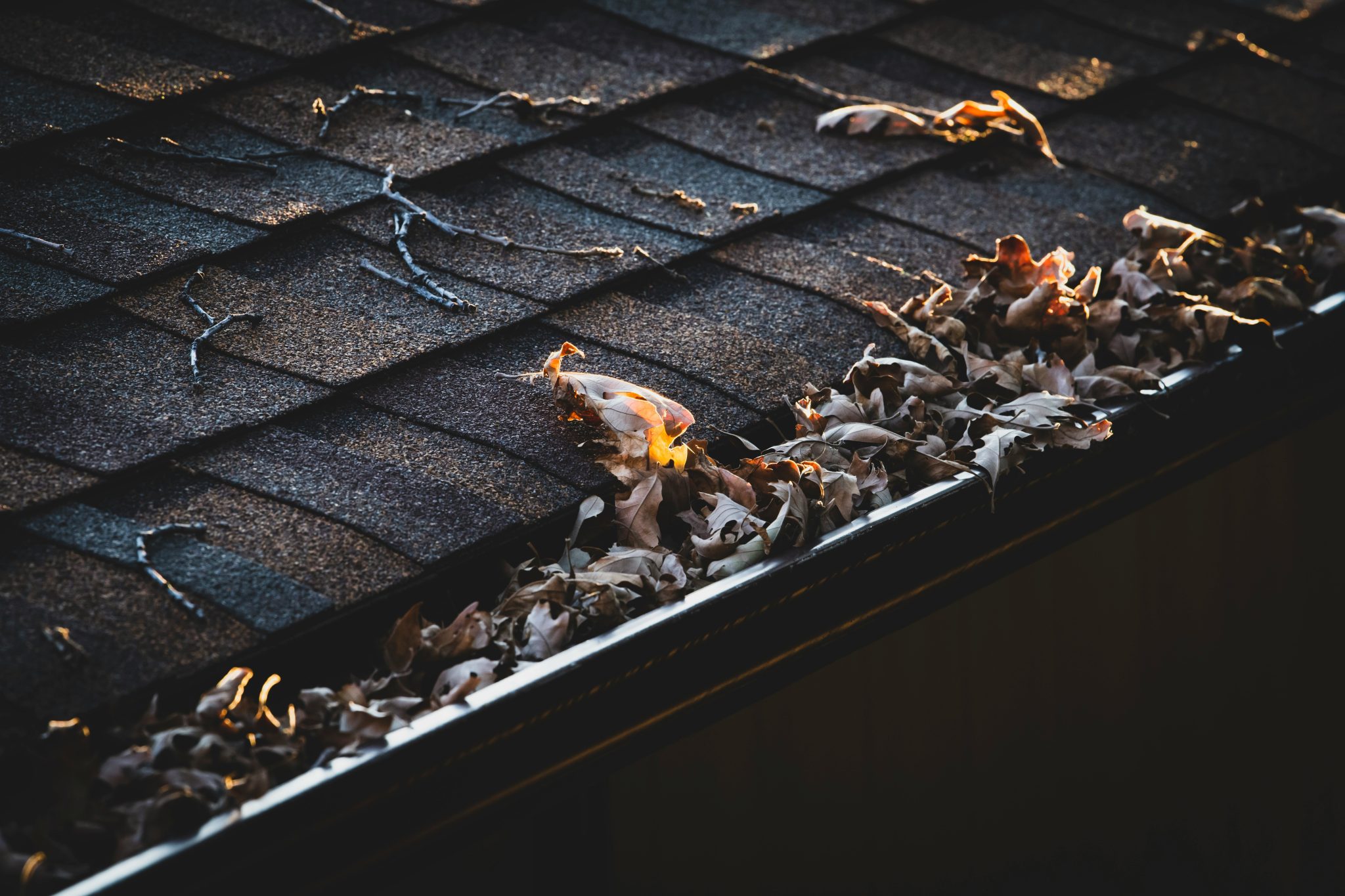
A lot of home improvements get sold on appearance alone. Fresh paint, new light fixtures, a polished front door, those upgrades are easy to notice and easy to appreciate. Gutters rarely get the same attention. They sit at the roofline, do their work quietly, and tend to disappear into the background unless something goes wrong.
That low profile is exactly why they matter so much.
When buyers walk a property, they may not compliment the gutters directly, but they absolutely react to what gutters protect. A dry basement feels solid. Siding without water streaks looks well kept. Landscaping that has not been carved up by roof runoff reads as maintained. Fascia boards without rot suggest that the owner stayed ahead of problems rather than letting them build.
Gutter installation supports all of those impressions at once. It also protects parts of the house that are expensive to repair and difficult to ignore during inspections. In practical terms, that means a good gutter system can help preserve value, improve marketability, and in some cases raise the sale price by making the property look and function like a home that has been cared for.
Buyers notice signs of water trouble faster than you might think
Most buyers are not roofing experts, but they are quick to notice clues that something is off. A splash mark on brick near the foundation. Soil washed out below the eaves. Peeling paint around trim. Black streaks on siding. A musty smell in the lower level after rain. Even if they cannot name the cause, they understand the implication. Water is going where it should not.
That uncertainty hurts value.
During showings, people tend to fill gaps in their knowledge with caution. If they see signs of poor drainage, they assume there may be hidden damage behind the walls, under the shingles, or around the foundation. Once that concern enters the conversation, it often grows. A buyer who was willing to stretch on price starts holding back for repairs, contingencies, or both.
I have seen this happen with homes that were otherwise attractive and mechanically sound. The owner had invested in flooring, paint, appliances, and curb appeal, but neglected drainage. The result was not usually a dramatic failure. More often, it was a collection of small signals that made the house feel riskier than its competitors.
Proper gutter installation reduces those signals. It controls roof runoff, channels water away from the home, and helps the whole property present as dry, stable, and maintained. That may not sound glamorous, but in real estate, confidence matters.
Protection of the foundation is where the real financial value starts
If you want a straight answer for why gutters matter to home value, start with the foundation.
Without a functioning gutter system, water pours off the roof edge and lands in concentrated sheets around the perimeter. Over time, that can saturate the soil near the house, increase hydrostatic pressure against foundation walls, and contribute to settling, cracks, seepage, or basement moisture issues. Not every home will experience severe damage, and local soil conditions play a major role, but the risk is real enough that inspectors watch for drainage issues closely.
Foundation repair is expensive, disruptive, and unsettling for buyers. Even minor crack stabilization or water management work can run into the thousands. Larger structural corrections can go much higher depending on access, soil, and extent of movement. Compared with those costs, gutter installation is a modest investment.
There is also a psychological layer here. A buyer may be able to accept an older furnace or dated tile because those items feel finite and understandable. Foundation concerns do not. They feel open-ended. People imagine years of moisture, mold, shifting walls, and recurring repairs. That fear often leads to aggressive negotiations or a lost sale.
A well designed gutter system helps prevent the conditions that lead to those fears. It is not a guarantee against every drainage problem, because grading, downspout discharge, soil composition, and roof design all matter too, but it is one of the first and most effective lines of defense.
Curb appeal is not just about looks, it is about visual order
There is a common mistake homeowners make when they think about value. They separate aesthetics from function too sharply, as if one is decorative and the other is practical. With gutters, the two overlap.
A properly installed system makes the roofline look finished. It creates clean edges, supports trim longevity, and prevents the stained, streaked, battered appearance that roof runoff can create over time. On homes with attractive exterior materials, stone, painted wood, fiber cement, brick, gutters help preserve the finish and keep weathering from becoming uneven.
That matters from the street.
When buyers pull up to a home, they begin judging condition before they even step inside. If they see sagging gutters, mismatched sections, rust, bent downspouts, or vegetation growing out of clogged troughs, they assume deferred maintenance exists elsewhere too. It may not be fair, but it is predictable.
On the other hand, seamless aluminum gutters in a color that matches the trim can sharpen the exterior noticeably. Copper gutters can add character and perceived quality on higher end homes, especially historic or custom properties. Even standard systems, when sized correctly and installed neatly, make the property feel more complete.
This is one reason gutter installation often pays off indirectly. It does not always produce a line item premium like a new kitchen might, but it improves the house's overall presentation and protects the finishes that buyers respond to.
Inspectors and appraisers may not praise gutters, but they respond to their absence
A home inspection is where neglected drainage often catches up with a seller. Inspectors look at downspout discharge, gutter attachment, overflow marks, wood rot, splash patterns, erosion, basement moisture, and related indicators. If they find issues, those items make it into the report, and once they do, they become negotiation material.
The same goes for appraisers in a more general sense. Appraisers evaluate condition, maintenance, and marketability. They are not assigning a huge standalone adjustment for gutters in most markets, but they absolutely account for a home's overall state of repair. A property with obvious water management issues can compare less favorably against similar homes that show better upkeep.
This distinction is important. Home value is not always raised by flashy additions. Sometimes it is preserved by eliminating deductions. Gutter installation helps do exactly that. It reduces the chance that avoidable drainage defects become visible points of concern during due diligence.
If you have ever watched a transaction tighten over a few hundred dollars of minor corrections, you know how quickly buyer confidence can shift. Water issues carry more emotional weight than their initial appearance suggests.
The return depends on getting the system right
Not all gutter installation adds value equally. Buyers do not care that money was spent. They care whether the system appears competent, durable, and suited to the house.
A few factors separate a worthwhile installation from one that simply checks a box.
- Correct sizing for the roof area and rainfall conditions
- Proper slope so water moves efficiently to downspouts
- Adequate downspout placement and discharge away from the foundation
- Secure fastening that prevents sagging or pull away
- Material and color choices that fit the home's style and price point
Those basics sound simple, but they are often where value is gained or lost. A cheap system that overflows in heavy rain, dumps water beside the foundation, or visibly warps within a few seasons does little for resale. In some cases, it can hurt, because buyers recognize poor workmanship faster than many sellers expect.
This is why professional installation often makes sense, especially on multi story homes, steep roofs, older fascia, or houses with complicated roof geometry. Valleys, dormers, long runs, and high volume water collection areas need planning. So do homes in climates with snow loads, ice, or frequent cloudbursts.
There is room for do it yourself work in some situations, but for resale value, the standard should be performance and appearance, not just completion.
Seamless systems tend to make the strongest impression
If there is one detail that consistently improves both function and presentation, it is the move from sectional gutters to seamless ones. Because seamless gutters have fewer joints, they generally leak less, require less maintenance at connection points, and look cleaner along the fascia.
For buyers, they suggest newer, more thoughtful exterior maintenance. Gutter Installation For owners, they reduce the little failures that lead to staining and drip lines. In resale terms, that matters more than many people expect.
Material choice matters too, but it should fit Gutter Installation the home rather than chase prestige for its own sake. Aluminum is the standard for a reason. It is cost effective, widely available, resistant to rust, and available in many colors. Steel is stronger but can be more vulnerable to rust if coatings fail. Copper is durable and beautiful, but it makes financial sense mostly on homes where architectural character and price point support it. Vinyl has a lower upfront cost, though it often reads as less substantial and may not hold up as well in extreme temperatures.
The right choice is usually the one that aligns with the house's value tier and the expectations of local buyers. Installing copper gutters on a modest tract home rarely produces a matching return. Installing sturdy, color matched seamless aluminum gutters on that same home often does.
Gutter guards can help, but they are not automatic value boosters
Homeowners often ask whether gutter guards increase value too. The honest answer is, sometimes.
In areas with heavy tree cover, gutter guards can be a meaningful convenience feature. They reduce the frequency of clogs, cut down on maintenance, and help gutters continue functioning during leaf season. Buyers who have dealt with ladders, overflowing troughs, and packed downspouts understand the appeal immediately.
That said, guards are not all equal. Some work well under specific conditions and struggle under others. Pine needles, seed pods, roof grit, and ice can all create trouble depending on design. A poorly chosen guard can become one more maintenance issue instead of a solution.
From a resale perspective, guards add the most value when they are installed as part of a well functioning drainage system, not as a patch over an undersized or poorly sloped one. They should be viewed as a supporting feature, not the main event.
Regional climate changes the equation
The financial impact of gutter installation is not identical in every market. In some climates, gutters are essential. In others, their value lies more in preservation and aesthetics.
In regions with frequent rain, freeze thaw cycles, or wet basements, buyers tend to understand drainage more intuitively. They have seen what happens when water is ignored. In those markets, missing or failing gutters can quickly become a red flag.
In drier areas, the urgency may seem lower, but sudden storms can still cause concentrated runoff, soil erosion, and fascia damage. Homes with expansive clay soils or poor grading can be especially vulnerable even if annual rainfall is moderate.
Snow country brings its own complications. Ice dams, snow slide, and freeze expansion can stress gutters significantly. There, proper installation includes not only placement and fastening but coordination with roof ventilation, insulation, and sometimes snow retention strategies. A buyer in that environment is less impressed by a shiny new system if it looks like it was installed without regard for winter performance.
This is where local knowledge pays off. Value comes from solving the drainage problems common to your area, not from copying a generic upgrade checklist.
Older homes often see the clearest benefit
On older houses, gutter installation can do more than preserve condition. It can correct long standing drainage patterns that have slowly worn down exterior materials.
Wood siding, exposed rafter tails, decorative trim, and old masonry are especially vulnerable to repeated wetting. I have seen beautiful period homes lose visual appeal simply because runoff was allowed to splash where it pleased for decades. Paint failed early. Joints opened up. Porch columns absorbed moisture at the base. Brick showed mineral staining. None of those issues started as dramatic defects, but together they changed how the house was perceived.
Installing an appropriate gutter system, and doing it carefully so it respects the architecture, often restores a sense of order. On historic homes, that might mean half round gutters, round downspouts, and hanger styles that suit the era. On more utilitarian older houses, it may simply mean replacing pieced together sections with a neat, properly sloped seamless system.
Either way, the value lies in protecting the materials that buyers cannot easily replace without significant cost.
Sellers get the most benefit when gutters are part of a larger maintenance story
One of the strongest signals a house can send is that the owner handled the unglamorous work. Gutters fit that category perfectly. They tell buyers that the seller paid attention to the structure, not just the staging.
If you are preparing to sell, new or upgraded gutters help most when they support a broader pattern of care. Clean rooflines, functioning downspouts, sensible grading, intact soffits, sound fascia, and a dry basement together form a convincing narrative. Buyers stop looking for hidden trouble and start picturing an easier ownership experience.
This is especially useful when competing against homes that have been cosmetically refreshed but not deeply maintained. Buyers may not have the vocabulary to articulate the difference, yet they often feel it. One house seems merely updated. Another seems solid.
That distinction influences offers.
What homeowners should evaluate before installing
The best gutter project starts with diagnosis rather than product shopping. Before investing, it helps to identify where water is currently going and what damage, if any, is already underway. Sometimes the need is obvious, like missing gutters or major overflow. In other cases, the clues are subtler, such as mulch displacement, paint bubbling near trim, damp crawl space conditions, or isolated settlement cracks.
A few questions are worth asking as you evaluate the home:
- Does water discharge at least several feet away from the foundation?
- Are there roof valleys or long slopes creating heavy runoff in one area?
- Is the fascia solid enough to support new installation without repair?
- Do existing landscape beds or walkways trap water near the house?
- Will the gutter style look appropriate on the home's architecture?
Those points shape the real return on investment. Sometimes homeowners focus on the visible gutter profile and overlook discharge, which is where many drainage problems either get solved or merely relocated. A downspout that empties right at the foundation is only a partial solution. Extensions, underground drains, splash blocks, and grading often need to work together.
Cost versus value is rarely a simple percentage
People naturally want a neat formula. Spend this much, add that much. Home improvements rarely work that way, and gutter installation is a good example.
On paper, gutters may not promise the dramatic headline return associated with a kitchen remodel in a hot market. Yet their practical value is often stronger than the numbers suggest because they prevent costly deterioration and keep deals from getting dragged down by repair concerns. In many cases, the payoff appears as smoother marketing, fewer inspection objections, and better preservation of the asking price.
For a moderately sized home, professionally installed seamless aluminum gutters often fall in a manageable price range, though exact numbers vary by region, height, roof complexity, and material. Add ons such as oversized downspouts, premium colors, guards, or underground drainage increase the total. Still, compared with foundation repair, siding replacement, fascia restoration, or chronic basement water remediation, the cost is usually modest.
That is the lens that makes the most sense. Gutters are less about dazzling buyers and more about eliminating reasons for them to discount the property.
Why this upgrade tends to age well
Some improvements lose appeal quickly. Trends shift. Finishes date themselves. A very specific tile choice that looked sharp five years ago may now make buyers mentally tally replacement costs. Good drainage does not go out of style.
A properly installed gutter system continues adding value as long as it performs. It keeps water off the wrong surfaces, protects landscaping, helps preserve paint and trim, and reduces wear at some of the most vulnerable edges of the home. It also signals something buyers consistently reward, responsible ownership.
That last point should not be underestimated. Real estate markets rise and cool. Buyer priorities change at the margins. But a house that looks dry, stable, and maintained almost always stands taller than one with unexplained water marks and avoidable exterior deterioration.
Gutter installation earns its place not because it is flashy, but because it protects nearly everything that is expensive, visible, or hard to fix later. For homeowners thinking about resale, that makes it one of the more sensible upgrades available. It supports curb appeal, reduces inspection friction, and preserves the parts of the property that hold value over time.
In the end, buyers do not need to fall in love with the gutters themselves. They simply need to feel, from the first walk up to the final inspection, that the home has been protected from the top down.
Just Gutters LLC
Address: 262 Main St, Hackettstown, NJ 07840
Phone number: +12013319454
FAQ About Gutter Installation Hackettstown
Can I install a gutter myself?
Yes, you can install gutters yourself. DIYers typically use aluminum or vinyl sections from home improvement stores. The project requires basic tools, precise measuring, and comfort working on ladders. Key steps include snapping a chalk line for a slight slope (1/4 inch per 10 feet toward downspouts), securing hangers every 2 feet, and caulking all joints securely.
How much does body contouring usually cost?
The Home Depot typically charges between $1,000 and $3,600 for a standard professional gutter installation on a typical single-family home with 200 linear feet of gutters. Calculated on a per-foot basis, the cost usually ranges from $5 to $18 per linear foot, highly dependent on the material you select.
How much does a 40 ft seamless gutter cost?
A 40 ft seamless gutter run will cost between $240 and $1,120+ fully installed, depending on the material you choose. Because seamless gutters require specialized on-site fabrication machines, they are rarely sold as DIY kits and are priced per linear foot.