How Gutter Cleaning in Hackettstown Protects Siding and Landscaping
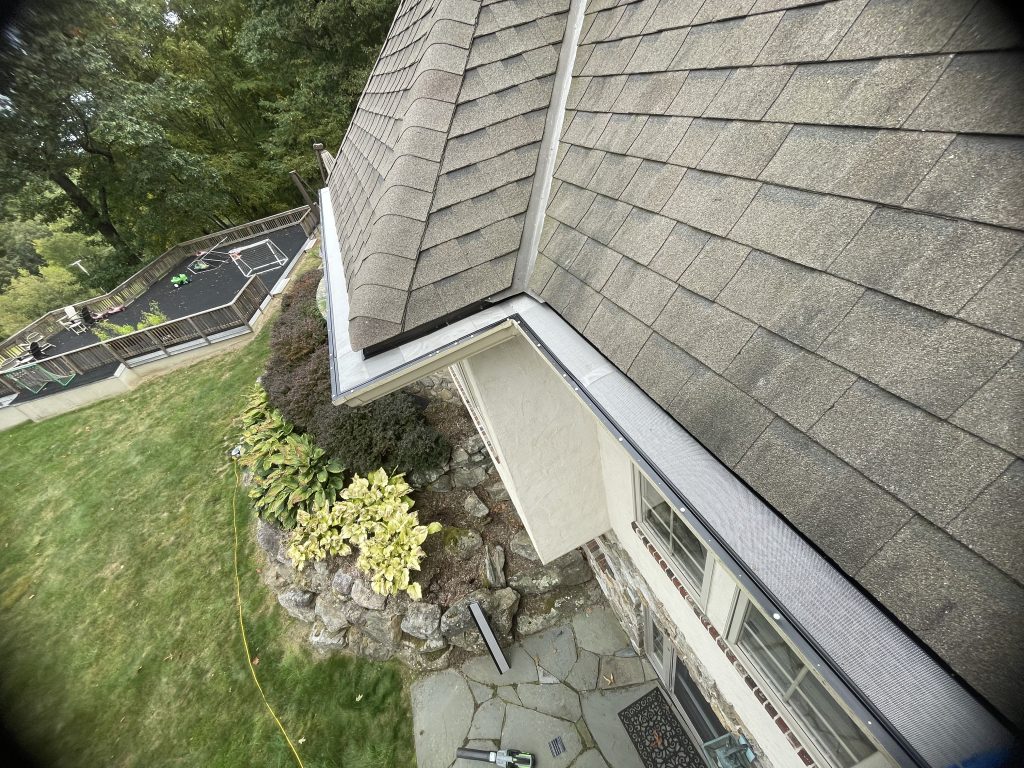
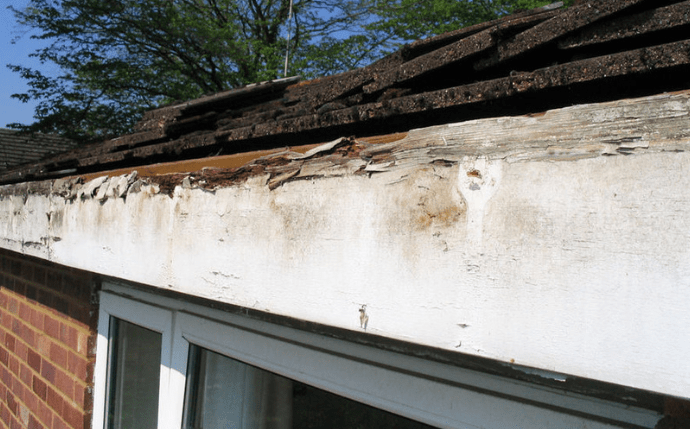

A gutter system does a quiet job until it stops doing it. Then the signs show up fast. Siding starts to streak. Mulch washes into the lawn. Flower beds develop bare channels where water keeps hitting the same spot. In colder weather, ice forms where it should not. Homeowners often notice the mess first and the cause second.
That cause is frequently simple: clogged gutters and overloaded downspouts. In a place like Hackettstown, where homes see heavy spring rain, summer storms, falling leaves, and winter freeze-thaw cycles, that simple problem can turn into expensive exterior damage. Gutter Cleaning Hackettstown is not just a cosmetic service. It is basic protection for the parts of your property that take the brunt of uncontrolled runoff, especially siding and landscaping.
The interesting part is how often the damage starts small. A little overflow at one corner can soak the same section of siding week after week. A downspout that runs slowly can dump water too close to a foundation planting bed, turning healthy soil into compacted mud. A gutter full of debris gets heavier, begins to sag, and changes the direction of water flow. Once that happens, even a moderate rain can create problems that look much larger than the original blockage.
What clogged gutters actually do during a rainstorm
When gutters are clear, they collect roof runoff and move it toward downspouts in a controlled way. That control matters. A typical roof sheds a surprising volume of water during even a short storm. If the gutter trough is packed with leaves, pine needles, seed pods, granules from aging shingles, and sludge, the water has nowhere to go except over the front edge or back toward the fascia.
Overflow from the front edge is the part most people notice. It creates a curtain of water that drops directly onto shrubs, annuals, edging, and mulch beds below. On a one-story ranch, that can be rough enough. On a two-story home, the force of that falling water is much greater. I have seen tidy front beds in early May become rutted and exposed by June, simply because one upper gutter section stayed blocked near a valley where roof runoff concentrated.
Overflow toward the back side of the gutter is often worse because it stays hidden longer. Water slips behind the gutter, wets the fascia board, and tracks down the wall. Vinyl siding may not absorb water, but that does not mean the wall assembly is safe. Water can get behind loose seams, around trim, and into areas where paint, caulk, or flashing are already tired. Fiber cement and wood-based exterior materials are even less forgiving when repeated saturation enters the picture.
The trouble is not only the single dramatic storm. Repetition causes the real cost. One overflow event might leave a stain. Twenty events can contribute to rot, mildew, peeling paint, washed-out plantings, and compacted soil that no longer drains well.
Why siding suffers first, even when the gutters look like a roof problem
Siding damage from gutter neglect usually shows up in patterns. You may see vertical streaks beneath a gutter seam, green staining near shaded corners, or dirt splatter rising from the base of the wall where water keeps hitting exposed soil. Those patterns tell a story about where water is escaping and how often it is doing it.
Vinyl siding is durable, but it is not a rain management system by itself. It is meant to shed normal weather exposure, not endure concentrated runoff pouring over one spot every storm. When overflowing gutters send water down the wall, the siding surface gets dirty faster, and the trim, corners, and joints start doing more work than they were designed for. If a home has older caulk lines around windows and doors, repeated wetting can expose weak points quickly.
Painted wood trim is one of the first materials to reveal trouble. Paint blisters. Boards darken. End grain near corners swells. Once moisture gets into wood repeatedly, maintenance stops being cosmetic and turns into repair. On homes with engineered wood products or composite trim, water can still create swelling, delamination, or surface deterioration over time.
Even brick homes are not immune. Gutters that overflow near brick veneer can lead to efflorescence, staining, and soil splash against the wall. The brick itself may look sturdy, but the joints, flashing details, and framing behind it still depend on proper drainage. The same goes for stone facades. A beautiful material can hide a drainage problem for a while, but not forever.
Hackettstown homeowners also deal with seasonal pollen, tree litter, and damp conditions in shaded areas. That combination encourages the dark organic staining many people assume is just age. Often it is really a drainage pattern. Clean the gutters, correct the discharge path, and suddenly the wall dries more evenly and stays cleaner longer.
Landscaping takes the hit below
Landscaping damage is less talked about than foundation issues, but it shows up sooner and is easier to see. When water spills over clogged gutters, it rarely lands gently. It hits with enough force to displace mulch, expose roots, carve channels into beds, and flatten smaller plantings. If the same section overflows repeatedly, the soil structure changes. Fine particles wash away, and the bed loses the loose, healthy texture plants depend on.
This matters in Hackettstown because many homes are landscaped close to the foundation. Foundation beds soften the look of the house, help with grading transitions, and frame walkways and porches. They are also directly beneath the roof edge, which means they receive every gallon the gutter system fails to control.
A healthy planting bed needs consistent moisture, not sudden impact. Repeated washouts can expose crown roots on shrubs, undermine newly planted perennials, and stress ornamental grasses. Mulch that should insulate roots and suppress weeds ends up piled against the walk or washed into the lawn. Then the homeowner replaces the mulch, only to lose it again in the next hard rain. That cycle adds up in both labor and cost.
There is another effect that people often miss. Poor gutter performance can create pockets of oversaturation right next to areas that remain too dry. One shrub gets drowned while another, a few feet away, struggles because the overflow pattern bypasses it completely. When plants decline unevenly, many people blame pests, https://remingtonhcyz338.greyhavendaily.com/posts/how-blocked-gutters-affect-homes-in-hackettstown fertilizer, or bad stock from the nursery. Sometimes the real issue is simply where roof water is landing.
The local factor in Hackettstown
Every town has its own maintenance rhythm. In Hackettstown, mature trees are a major part of that rhythm. Neighborhoods with maples, oaks, locusts, pines, and ornamental trees can load gutters at different times of year, not just in the fall. Spring seed drop can be just as troublesome as autumn leaves. Pine needles weave together and create stubborn mats. Oak leaves tend to hold moisture and compact into dense blockages. Small twigs and roof grit fill the gaps and create a heavy, slow-draining sludge.
Then there is the weather. A calm week can be followed by a hard thunderstorm that tests every part of a gutter run. Summer downpours overwhelm partially blocked systems fast. Winter adds another layer. When clogged gutters hold standing water and temperatures dip, ice can form along the eaves and around downspout elbows. That extra weight strains hangers and joints. If the gutter pitch was only slightly off before, winter can make it noticeably worse by spring.
Homes in older sections of town can be especially vulnerable because some gutter systems have been repaired in pieces over the years. One section may be newer, another may have a loose spike or aging seam, and a downspout extension may have disappeared long ago. Cleaning is essential, but so is noticing the condition of the entire drainage path while you are at it.
The connection between downspouts and landscape health
People often use the word gutters when the real trouble is the downspout. A gutter can be relatively clear and still fail if the downspout is clogged or undersized for the roof area it serves. When the outlet slows down, water backs up into the trough and starts overflowing at the lowest weak point.
That overflow usually appears near corners, above entryways, or where two roof planes meet. These are also common places for foundation shrubs, decorative stone, paver walks, and ornamental edging. So when the downspout is the bottleneck, the most visible damage often lands in the most carefully designed parts of the landscape.
A properly working downspout should carry water away from the house far enough that it does not circle back into planting beds or splash onto siding. Too many homes discharge only a foot or two from the wall, which is not enough during heavy rain. Even with clean gutters, short discharge points can saturate the same bed over and over. When gutters are dirty and downspouts are slow, the damage multiplies.
I have seen homeowners spend good money refreshing beds with new mulch, boxwoods, and edging, then wonder why the front corner keeps collapsing after each storm. The answer turned out to be a clogged downspout elbow and a buried extension line filled with silt. Until the drainage path was opened, the landscaping never had a chance.
Signs your gutters are already affecting siding or beds
Some warning signs are obvious, others are subtle. These are the ones worth taking seriously:
- Water spilling over the gutter edge during moderate rain
- Dark streaks, algae, or dirt marks on siding below the eaves
- Mulch, soil, or stone washed out of beds after storms
- Sagging gutter sections, separated joints, or loose fasteners
- Plants near corners looking stressed, uprooted, or buried by displaced mulch
A homeowner does not need to see all five to have a problem. One consistent symptom, especially overflow, is enough reason to inspect the system closely.
Why timing matters more than many people think
There is no single calendar date that works for every home in Hackettstown. The right cleaning schedule depends on roof size, nearby trees, gutter design, and how much debris the property collects between seasons. A house surrounded by mature oaks may need much more attention than a property with fewer overhanging branches. A steep roof beneath a valley can dump concentrated debris into one section that clogs long before the rest of the system does.
Still, there are a few practical timing windows that tend to make sense for many homeowners:
- Late spring, after seed pods, blossoms, and early debris have fallen
- Early fall, before peak leaf drop starts overwhelming the system
- Late fall, after most leaves are down
- After a major storm, if branches or heavy debris are visible
- Before winter, if the home has a history of icing near the roof edge
Some homes truly need two cleanings a year. Others need three. The clue is not what the neighbor does, but how your own roofline and trees behave through the seasons.
Clean gutters protect more than appearance
People sometimes think of gutter cleaning as a housekeeping task, something that keeps the house tidy from the street. Appearance is part of it, but the bigger benefit is preserving the materials and grading you already paid for.
Siding replacement is expensive. So is repainting exterior trim ahead of schedule because moisture kept attacking one elevation. Landscaping may seem less costly until you add up annual mulch replacement, dead shrubs, regrading of beds, stone cleanup, and the labor to re-edge washed-out borders. Neglected gutters can also stain concrete walks, create slippery algae on paths, and deposit roof grit where it does not belong.
There is also a maintenance cascade that starts once water goes where it should not. Wet siding tends to collect dirt faster. Dirty siding encourages more frequent washing. Compacted landscape beds drain worse, which makes future storms more destructive. Water near the foundation can encourage moss and mildew in adjacent shaded areas. A small drainage issue becomes a property-wide annoyance.
The best part of regular cleaning is that it interrupts that cascade early. When the system flows correctly, the house dries more predictably, the beds stay intact, and the seasonal cleanup outside becomes simpler.
What a thorough gutter cleaning should include
A proper cleaning is more than scooping visible leaves from the top. The job should restore flow through the entire drainage route and reveal any developing issues before they become repairs. That means clearing the troughs, flushing or testing downspouts, and checking whether water exits where it is supposed to.
It should also include a look at pitch, seams, corners, fasteners, and signs of backflow behind the gutter. Debris patterns are useful clues. If one section keeps packing with shingle grit, the roof above may be aging. If one elbow clogs repeatedly, that downspout may need a different configuration. If overflow happens only at a valley, the system may need a larger outlet or a design adjustment rather than more frequent cleaning alone.
This is one reason homeowners searching for Gutter Cleaning Hackettstown should look beyond price alone. The lowest quote may cover basic debris removal, but not the inspection mindset that catches the reasons damage keeps recurring. A fast cleanup helps. A cleanup that also identifies poor discharge, hidden clogs, loose brackets, and chronic overflow patterns helps much more.
The trade-offs with gutter guards
Gutter guards can reduce maintenance in the right setting, but they are not a cure-all. On some homes they work well, especially where the main problem is larger leaves and the gutters are otherwise correctly pitched. On other homes, particularly those with small debris, pine needles, or heavy seed drop, guards can still allow buildup on top or create blockages at the entry points.
They also do not remove the need for inspection. I have seen guarded systems overflow because debris collected in valleys and washed into limited openings during a hard storm. I have also seen homeowners assume the guards eliminated maintenance entirely, only to discover years later that sludge had built up in problem areas. Guards may reduce cleaning frequency, but they do not eliminate the need to verify flow and condition.
For siding and landscaping protection, the only thing that matters is whether water is being managed correctly. A guarded gutter that overflows is no better than an open gutter that overflows.
Why DIY efforts sometimes miss the real issue
Many homeowners are comfortable clearing a short reachable section over a porch or garage, and that can be useful. The problem is that exterior water management is only as strong as the weakest point in the run. One blocked outlet high above a second-story corner can keep causing damage even if the lower visible sections look clean.
Another common issue with DIY work is partial cleaning. Leaves come out, but downspouts are not tested. Or the debris is removed, yet the discharge still dumps right into a flower bed at the base of the wall. Sometimes the gutter itself has begun to pull away from the fascia, so the homeowner clears it and still gets overflow the next time it rains.
Safety matters too. Ladders on sloped or uneven ground, especially near foundation beds, are unforgiving. Many of the homes that need the most attention are also the ones where access is awkward because of shrubs, retaining walls, walkways, or rear-yard grade changes.
Small corrections that make a big difference
One reason regular service pays off is that small corrections are easiest to make when caught early. A loose hanger can be reset before a whole section begins sagging. A short downspout extension can be lengthened before it ruins another season of planting. A recurring clog can be traced to a specific tree, elbow, or roof valley before it causes siding stains on the same wall all summer.
Landscape protection often comes down to details. Redirecting discharge a few feet farther into a proper drainage area can save a bed. Re-establishing the gutter pitch can stop overflow at a front entry. Cleaning debris before winter can prevent the ice-related weight that pulls a section out of alignment. None of these are dramatic projects, but together they preserve the look and function of the property.
The long view for Hackettstown homeowners
Exterior maintenance is rarely about one isolated component. Gutters, siding, grading, and landscaping all interact. When one part fails, the others absorb the consequences. That is why gutter cleaning has outsized value. It protects surfaces, plantings, and drainage patterns that are far more expensive to restore than the cleaning itself.
For homes in Hackettstown, where changing seasons keep feeding debris into roof drainage systems, regular attention is less of a luxury and more of a baseline practice. Clear gutters help siding stay dry, cleaner, and longer-lasting. They help landscaping hold its shape, mulch, and soil where it belongs. They reduce the chance that each storm will carve away a little more of the work and money already invested in the property.
A well-maintained gutter system does not call attention to itself. That is the point. Water arrives, moves through, and exits without battering the walls or tearing up the beds below. When that happens consistently, the house ages better, the yard stays neater, and seasonal storms become much less costly.
Just Gutters LLC
Address: 262 Main St, Hackettstown, NJ 07840
Phone number: +12013319454
FAQ About Gutter Cleaning Hackettstown
How much should a gutter clean cost?
Professional gutter cleaning typically costs between $163 and $333, with a national average of around $210 to $250 for a standard-sized home.
What months should you clean gutters?
You should clean your gutters twice a year—once in late autumn (November to December) and once in late spring (April to May).
Is it worth paying for gutter cleaning?
Yes, paying for gutter cleaning is worth it because it prevents thousands of dollars in water damage, roof leaks, and structural repairs.