A Practical Guide to Affordable Gutter Installation

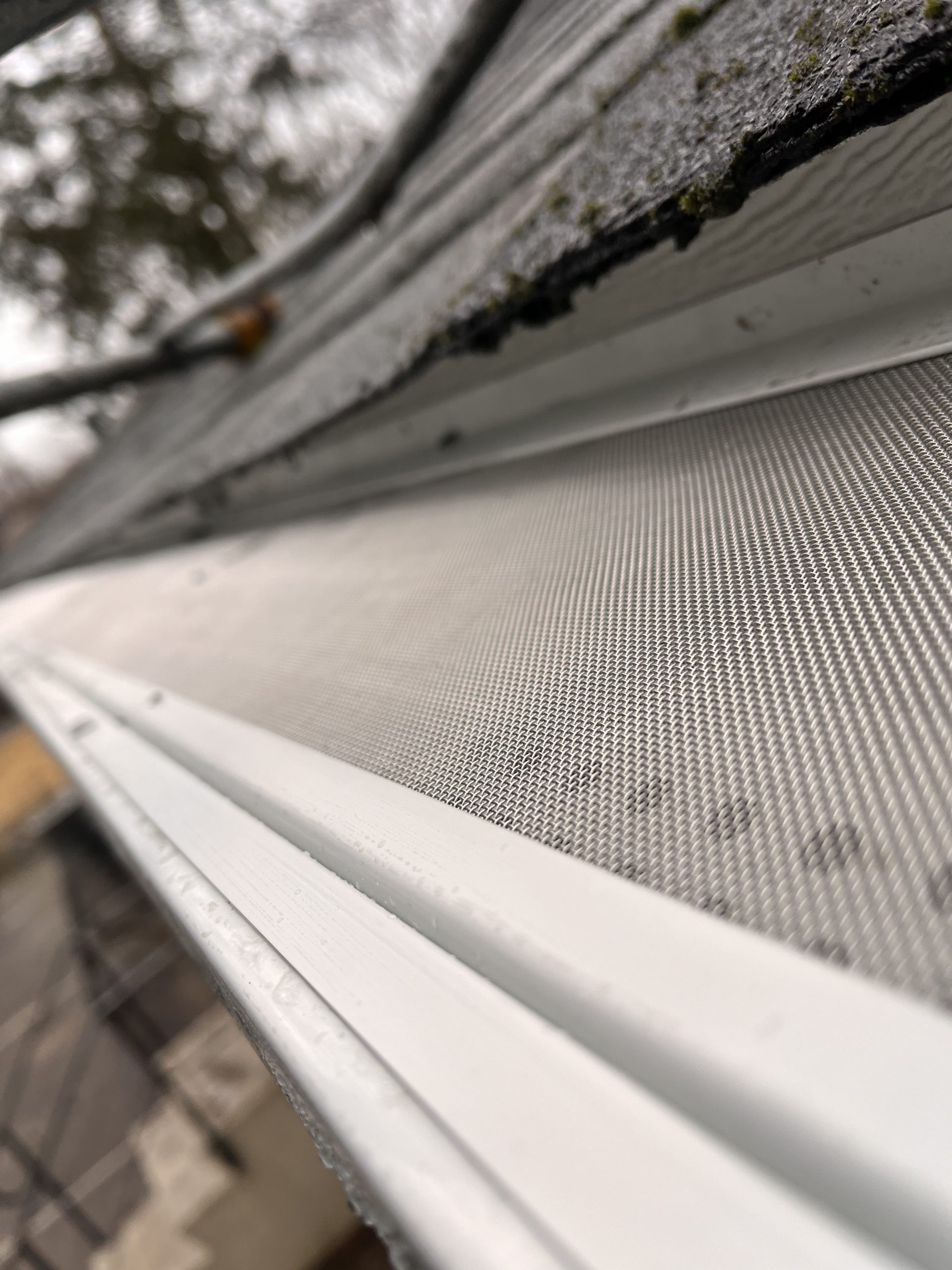

Gutters rarely get much attention until they fail. By then, the damage is often more expensive than the gutter system itself. I have seen modest roof runoff carve trenches through flower beds, stain siding, rot fascia boards, and pool against foundations, all because the original gutters were undersized, poorly pitched, or simply overdue for replacement. The frustrating part is that none of this requires a luxury budget to prevent.
Affordable gutter installation is not about buying the cheapest material on the shelf and hoping for the best. It is about matching the system to the house, the climate, and the budget, then spending where it counts and saving where it does not. Homeowners who approach the job that way usually end up with a system that performs well for years without constant repairs.
The phrase “affordable” means different things depending on the house. On a small single-story ranch, affordability may mean a straightforward aluminum system with standard downspouts and no decorative extras. On a taller home with multiple roof valleys and heavy rainfall, it may mean trimming cosmetic upgrades so there is enough money left for proper sizing and drainage. That distinction matters, because water management is one place where false economy tends to come back quickly.
What a gutter system is really supposed to do
Most people think gutters simply catch rain and move it off the roof. That is the basic idea, but a well-installed system does more than that. It controls where thousands of gallons of water go over the course of a year. That affects the roof edge, fascia, soffit, siding, windows, landscaping, walkways, basement walls, and the soil around the foundation.
A gutter system works only when its parts work together. The horizontal sections need enough capacity. The pitch has to be subtle but accurate so water actually moves toward the outlets. Downspouts need to be placed where runoff can leave the home safely. Extensions or underground drains may be needed if the grade is flat or the beds near the house already hold water. If any one of those pieces is neglected, even a brand-new system can underperform.
That is why low-price quotes can be deceptive. I have walked around homes where shiny new gutters had already started to overflow because the installer used too few downspouts or ignored a concentrated water load from a steep valley. The metal looked fine. The design did not.
The signs your current gutters are costing you money
Sometimes replacement is obvious. A section falls away from the house, or water pours over the edge in every storm. More often, the warning signs are subtle enough that people postpone the job for a few seasons too long.
Here are the problems that usually justify taking action:
- Gutters pull away from the fascia, sag in the middle, or hold standing water after rain.
- Paint peels near the roofline, fascia boards feel soft, or mildew shows up on siding beneath the gutter run.
- Erosion appears below downspouts, or mulch repeatedly washes out of planting beds.
- Water shows up in the basement or crawl space after storms, especially near corners of the house.
- You keep paying for patching, resealing, and hanger repairs, but the system still underperforms.
A leaking joint or a loose spike is not always a replacement issue. Older sectional gutters can often be repaired if the metal is still sound and the layout is adequate. But when repairs become routine, labor starts to outrun the value of keeping the old system alive.
The materials that make sense on a budget
For most homeowners seeking affordable gutter installation, aluminum is the default choice, and for good reason. It is light, rust-resistant, widely available, and relatively easy to form into seamless runs on site. In many markets, aluminum gives the best balance between price, lifespan, and low maintenance. It is not indestructible, though. Ladders, branches, and sloppy cleaning can dent it, and very thin aluminum can feel flimsy if the installer is trying to shave every possible dollar from the quote.
Vinyl attracts budget-conscious buyers because the upfront price is lower. It can work on sheds, garages, or in mild climates where temperature swings are not severe. On a primary residence, I tend to be cautious. Vinyl becomes brittle with age in some conditions, and long runs can expand and contract enough to stress connections. When it fails, it often does so at seams or brackets, and repairs can become frequent. A homeowner who saves a little at installation may not save much over the life of the system.
Steel is stronger, but it usually costs more and can rust if the coating is compromised. Copper lasts a long time and looks excellent, but it belongs in a different budget category. If the goal is affordability, copper is almost never the practical recommendation unless only a small accent section is involved and the rest of the home already justifies that level of finish.
Material gauge matters almost as much as material type. Thin metal can reduce the invoice, but it is more vulnerable to deformation and may require more careful spacing of hangers. If you are comparing bids, it is worth asking not just what material the contractor uses, but how thick it is and how the hangers are spaced.
Seamless versus sectional, and why labor matters
If you are shopping for gutter installation, you will hear a lot about seamless gutters. The term makes them sound premium, and they often are, but their real advantage is practical. Because they are formed in long custom lengths, they have fewer joints. Fewer joints usually means fewer leak points and less maintenance.
Sectional gutters come in pre-cut lengths that are connected during installation. The material can be cheaper, especially if someone is attempting a do-it-yourself project, but those seams are potential future trouble spots. Sealants age. Movement stresses connections. Debris catches more easily at joints. On paper, sectional systems can look like the bargain option. Over time, the maintenance picture is often less attractive.
For many homes, seamless aluminum is the sweet spot. It is not the lowest initial cost in every case, but it is often the best value. One thing homeowners underestimate is labor. Gutter work looks simple from the ground. In practice, measuring slopes, securing hangers into sound wood, cutting outlets cleanly, sealing corners, and keeping long runs visually straight takes skill. When the labor is poor, even good material performs badly.
Sizing is where many “cheap” jobs go wrong
The most common residential gutter size is 5-inch K-style, and on a large share of homes it works perfectly well. The problem is that installers sometimes use 5-inch gutters because they are standard, not because they are sufficient. Roof geometry changes the equation. A modest roof area with gentle slopes is different from a steep roof that channels water into a few concentrated spots. Valleys especially can dump a surprising volume of water into a short section of gutter.
A larger 6-inch gutter is not necessary on every home, but when it is needed, skipping it to save a small amount is usually a mistake. Overflow stains and foundation issues cost far more than the upgrade. The same goes for downspouts. One undersized or poorly placed downspout can sabotage an otherwise adequate system.
This is where experienced judgment matters more than marketing. A contractor who takes measurements, notes roof valleys, asks about basement moisture, and pays attention to how your lot drains is usually thinking beyond the install day. A contractor who quotes by rough linear footage alone may still do good work, but it is worth probing deeper.
Affordable does not mean identical on every side of the house
One of the most useful budget conversations a homeowner can have is about prioritization. Not every elevation of a house needs the same treatment. The highly visible front may justify a cleaner profile or color match, while a less visible rear roofline may do fine with basic components. That said, the performance side should not be downgraded where the water load is high.
I once looked at a house where the owner had spent extra on decorative round downspouts at the front because they liked the look. To fit the budget, the rear got too few downspouts and a smaller discharge path. The back yard became a swamp after heavy rain, while the front looked polished. The wiser move would have been the opposite, standard appearance everywhere, performance first where the runoff was worst.
The real cost drivers in gutter installation
People often assume the invoice is mostly about material. In many jobs, access and complexity shape the price just as much. A simple one-story home with long straight runs and clear ground access is faster and safer to work on. A two-story house with multiple rooflines, tight side yards, porches, dormers, and landscaping obstacles takes more time and more care.
Removal of old gutters adds cost, especially if fascia repairs are needed. That is another area where estimates can differ honestly. One contractor may not include any wood repair. Another may flag likely rot near corners and note that pricing could change once the old system is removed. The second bid may look higher at first glance, but it may also be more realistic.
Color choices can affect pricing slightly, though usually not dramatically in standard aluminum lines. Gutter guards add another layer. They can be worthwhile in some settings, especially under heavy tree cover, but they are not always essential. I have seen homeowners stretch their budget for guards while ignoring poor drainage at the base of downspouts. The result is cleaner gutters and the same water problem.
Where homeowners can save without creating future headaches
This is the part that matters most when the budget is tight. There are legitimate ways to reduce cost, but they work best when the savings come from simplification, not underbuilding.
The most reliable ways to keep gutter installation affordable are these:
- Choose standard aluminum in a common color rather than premium metals or specialty finishes.
- Skip decorative upgrades unless they solve a real functional problem or matter strongly to curb appeal.
- Coordinate fascia repair, painting, or roof-edge work at the same time to avoid duplicated labor later.
- Focus spending on correct sizing, hanger quality, and proper downspout placement before adding guards or cosmetic options.
- Get multiple detailed estimates that specify material, gauge, gutter size, downspout count, and debris disposal.
That third point saves more money than people expect. If gutters are coming off anyway, it is often the smartest moment to address minor fascia issues or repaint exposed trim. Paying once for access is usually cheaper than paying twice.
What to ask before hiring an installer
A low quote is only useful if you know what it includes. Homeowners sometimes compare numbers that are not remotely equivalent. One quote may include seamless 6-inch aluminum, heavy-duty hidden hangers, oversized downspouts, removal and disposal, and splash blocks. Another may be for 5-inch sectional material with fewer supports and no mention of drainage at ground level. Both are called “gutter replacement,” but they are different jobs.
A good estimate should tell you what style and size of gutter is proposed, what downspouts are included, how the system will be fastened, whether old materials are removed, and what happens if rotten fascia is uncovered. If the property has known drainage trouble, ask how the installer intends to handle discharge. A downspout that empties right back beside the foundation is only half a solution.
Warranty language deserves a careful read. Material warranties are not the same as workmanship warranties, and both have limits. Some issues blamed on gutters are actually grading problems, roof runoff concentration, or clogged underground drains. A responsible installer should be willing to explain where gutter responsibility ends and site drainage responsibility begins.
DIY gutter installation, when it saves money and when it does not
Some homeowners can install gutters successfully, especially on a small one-story structure with simple geometry. If you are comfortable on ladders, careful with measurements, and patient about pitch and support spacing, a garage or workshop can be a reasonable place to learn. The cost savings can be real, particularly if you use sectional materials.
On a main residence, the calculation changes. Long runs are awkward to handle. Ladder safety becomes a serious issue. Fascia problems may only become visible once the old gutter is off. Outlet placement, slope, and downspout routing require more judgment than many first-time installers expect. And if you are working on a second story or over porches and uneven grade, the risk rises quickly.
I have seen DIY jobs that held up well because the homeowner planned carefully and kept the design simple. I have also seen do-it-yourself installations where one low spot caused standing water, the gutter iced up in winter, and the added weight tore fasteners from softened fascia. What looked affordable at first ended up needing professional correction within a couple of seasons.
If you are considering DIY to control costs, a hybrid approach can make sense. Some homeowners hire a professional for the main house and handle outbuildings themselves. Others remove old gutters to reduce labor, though that should be discussed with the contractor first. Not every company wants a homeowner partially preparing the site, and some will not warranty around it.
Gutter guards, worth it or not?
Gutter guards are one of the easiest ways to inflate a project budget. Sometimes that is justified. Sometimes it is not. If your property has overhanging trees, fine leaf debris, or a difficult roofline that makes cleaning expensive or hazardous, guards may pay off in reduced maintenance and fewer clogs. If your lot is relatively open and cleaning is simple, the return is less obvious.
No guard system makes gutters maintenance-free. That is the marketing fantasy. Some reduce large debris entry well but still allow grit and shingle granules. Others shed leaves effectively yet can struggle in intense downpours if the design is too restrictive. The right question is not whether guards are good or bad. It is whether they solve a real problem on your property at a price that makes sense.
When homeowners have a limited budget, I usually suggest getting the base gutter system right first. You can always add guards later. Fixing undersized gutters after installation is much more expensive than adding accessories once the fundamentals are in place.
Climate and site conditions change the best affordable choice
A house in a dry region with occasional storms has different needs from one in an area with steady seasonal rainfall or snow load. In colder climates, ice can stress gutters and fasteners, especially where attic insulation and ventilation issues contribute to ice dams. In wooded neighborhoods, maintenance frequency matters more. In areas with expansive clay soils, poor water discharge near the foundation can have outsized consequences.
Site grading https://martinbczz213.fotosdefrases.com/how-to-budget-for-a-gutter-installation-project also changes the decision. A downspout that releases water four feet from the house may be acceptable if the yard falls away cleanly. On a flat lot, that same setup can leave water lingering near the foundation. In those cases, affordable gutter installation might include basic downspout extensions now, with underground drainage added later when the budget allows. Staging the work is often smarter than overspending all at once or under-solving the problem completely.
Small details that separate a decent job from a durable one
There are a handful of installation details that rarely show up in sales brochures but make a noticeable difference over time. Hidden hangers generally hold more securely and look better than old-style spikes. Properly sealed end caps and corners prevent the slow nuisance leaks that stain trim. Clean outlet cuts improve flow compared with rough openings hacked into the bottom of the trough. Well-placed downspout straps keep the vertical runs from rattling and loosening in wind.
The condition of the fascia behind the gutter is another quiet factor. Fasteners need sound wood. If the fascia is soft, split, or water-damaged, no hanger system will perform as it should. Homeowners sometimes resist paying for this repair because it is less visible than the new gutter itself. Yet this is exactly the kind of structural support that determines whether the installation remains straight and secure after a few seasons of weather.
A sensible way to budget the project
If the overall cost feels daunting, break the project into three questions. First, what is the minimum scope required to protect the house properly right now? Second, which upgrades are useful but optional? Third, what can wait until a later phase without increasing risk? Thinking this way helps separate genuine needs from nice-to-haves.
For one house, the priority might be replacing failed rear gutters, adding two downspouts, and extending discharge away from the basement wall. For another, it may be a full replacement because the existing layout is wrong across the whole structure. The point is not to spend the least. It is to spend intentionally.
That is usually what affordable gutter installation comes down to in practice. Not bargain-bin materials, not stripped-down workmanship, and not features chosen for sales appeal. Just a well-considered system, scaled to the house and the budget, with enough attention to drainage that the money does its job every time it rains.
Just Gutters LLC
Address: 262 Main St, Hackettstown, NJ 07840
Phone number: +12013319454
FAQ About Gutter Installation Hackettstown
Can I install a gutter myself?
Yes, you can install gutters yourself. DIYers typically use aluminum or vinyl sections from home improvement stores. The project requires basic tools, precise measuring, and comfort working on ladders. Key steps include snapping a chalk line for a slight slope (1/4 inch per 10 feet toward downspouts), securing hangers every 2 feet, and caulking all joints securely.
How much does body contouring usually cost?
The Home Depot typically charges between $1,000 and $3,600 for a standard professional gutter installation on a typical single-family home with 200 linear feet of gutters. Calculated on a per-foot basis, the cost usually ranges from $5 to $18 per linear foot, highly dependent on the material you select.
How much does a 40 ft seamless gutter cost?
A 40 ft seamless gutter run will cost between $240 and $1,120+ fully installed, depending on the material you choose. Because seamless gutters require specialized on-site fabrication machines, they are rarely sold as DIY kits and are priced per linear foot.